Healthcare
Vision care, specialist outreach, and early health interventions.
Healthcare / Education / Environment / Energy Access / Community
A Section 18A-approved South African public benefit organisation building practical answers for children, families, young people, schools, and the land they inherit.
Cerano Foundation is the Corporate Social Responsibility vehicle of the Cerano Group of Companies, structured to receive, deploy, and account for funds with the rigour serious donors and development partners require.
Vision care, specialist outreach, and early health interventions.
Learner support, bursaries, practical skills, and work-integrated learning.
Ecological restoration, indigenous nurseries, and verified greening.
Solar infrastructure for schools and underserved facilities.
SMME support, youth pathways, and accountable local development.
Each programme is designed with defined outcomes, reporting cycles, and practical implementation partners.
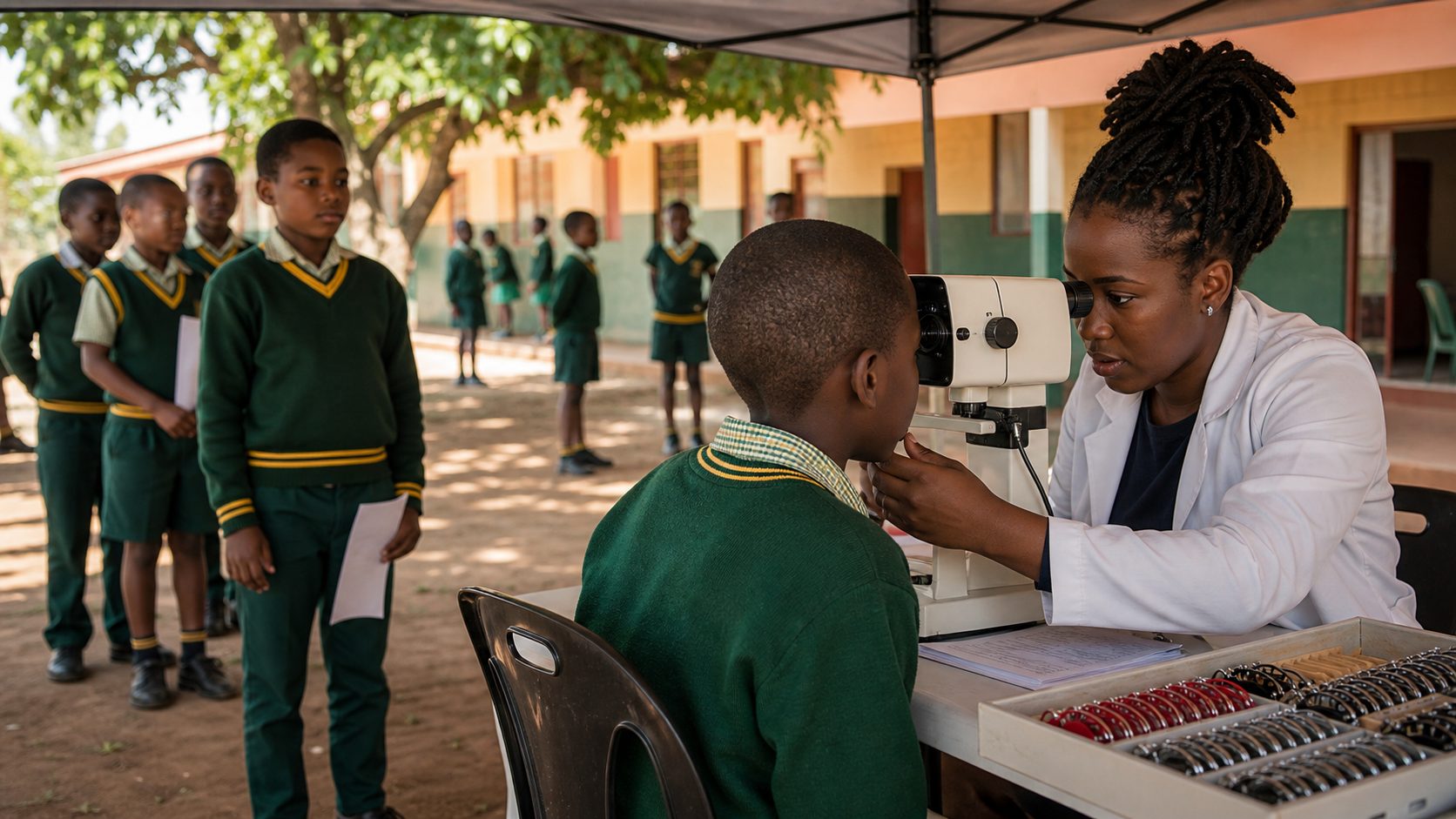
Mobile eye-care screening for rural learners, pairing supervised optometric care with work-integrated learning and same-day spectacles where clinically appropriate.
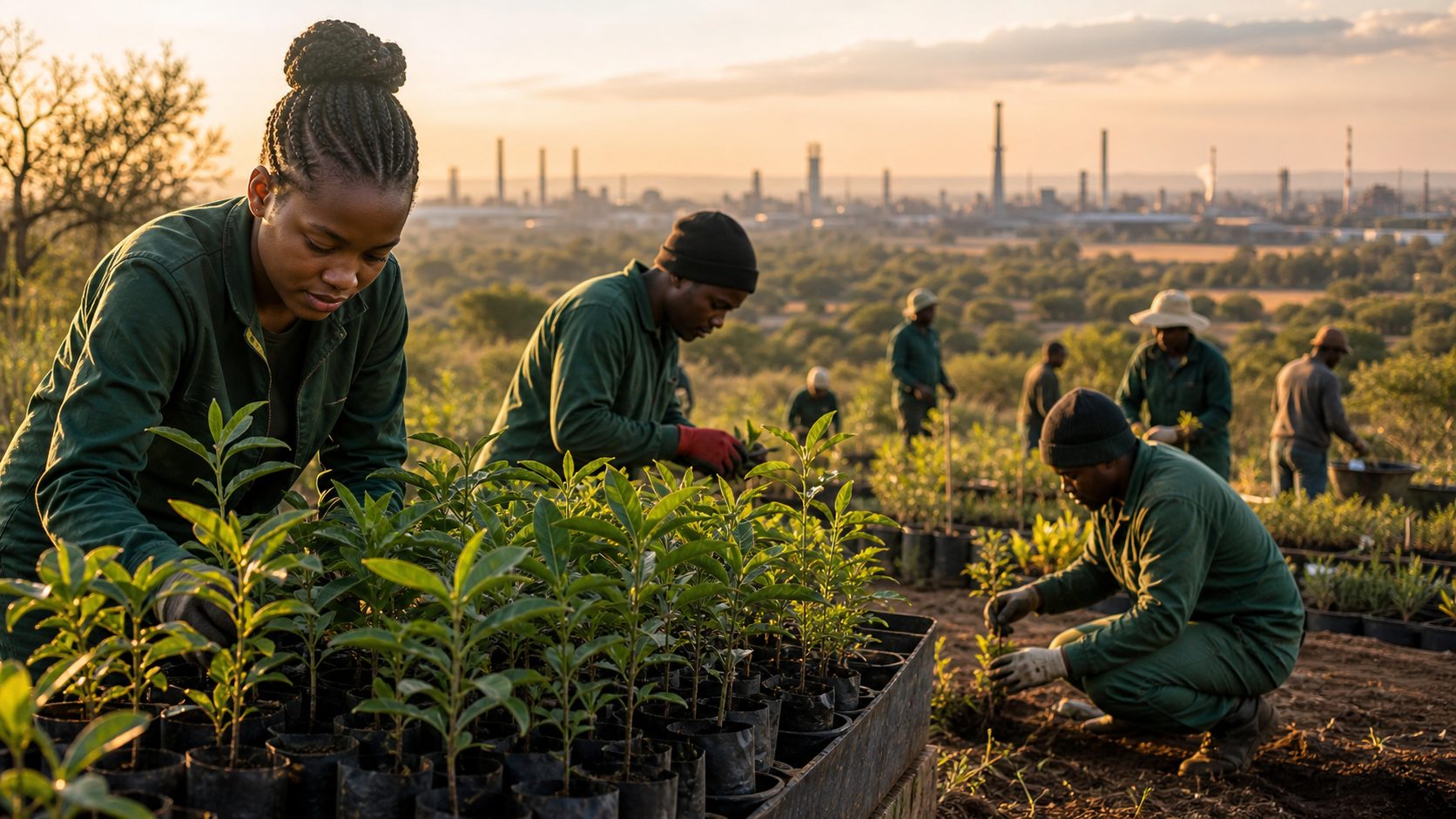
Indigenous nurseries, youth horticulture training, GPS-tracked planting, and verified ESG reporting for industrial and corporate partners.

A long-term commitment to specialist orthopaedic centres across Limpopo, anchored by a flagship facility honouring Dr Tsaka Matome Wilson Kganakga.
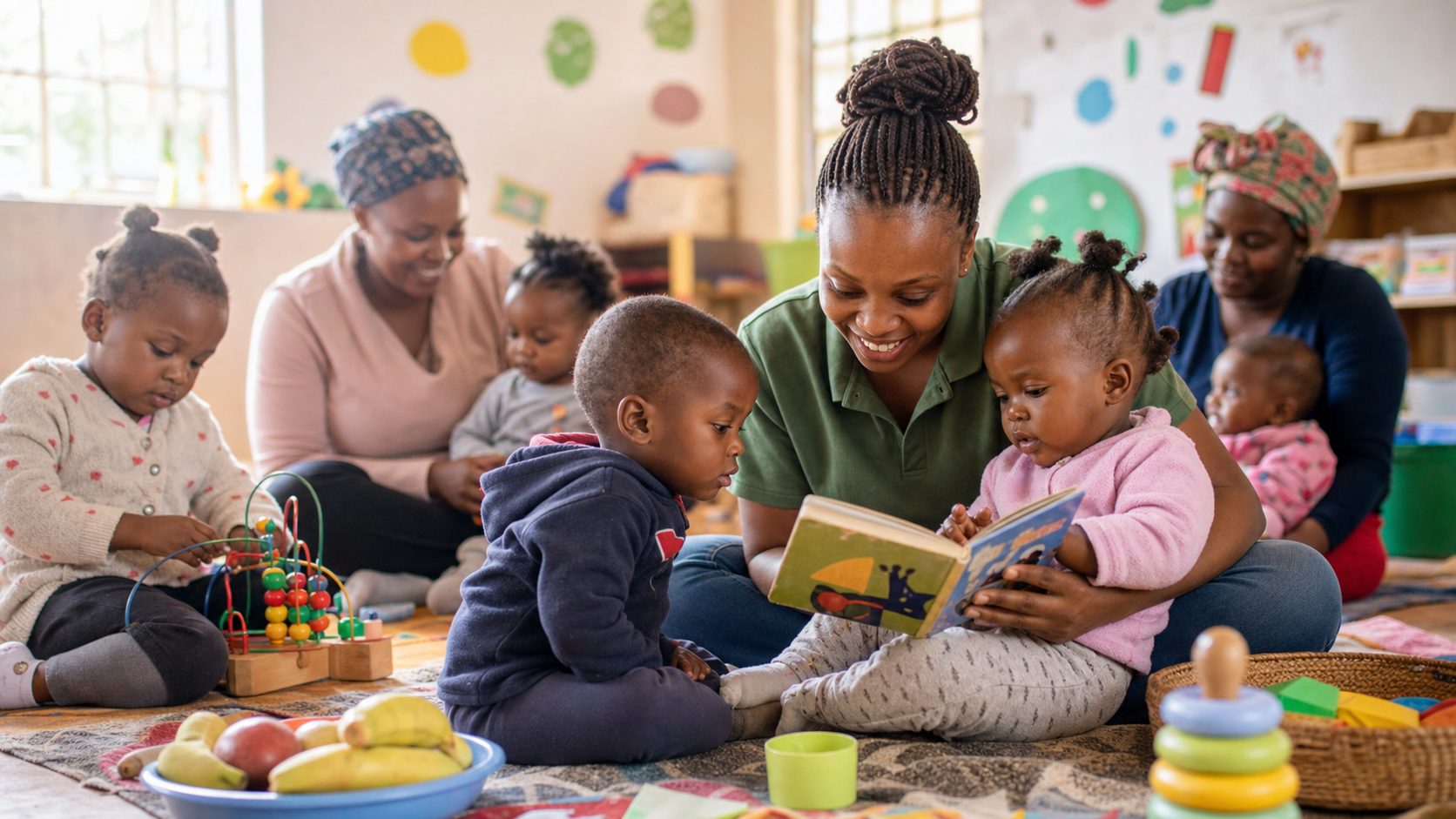
Maternal health education, infant nutrition, creche support, and early learning partnerships for the first thousand days of a child's life.
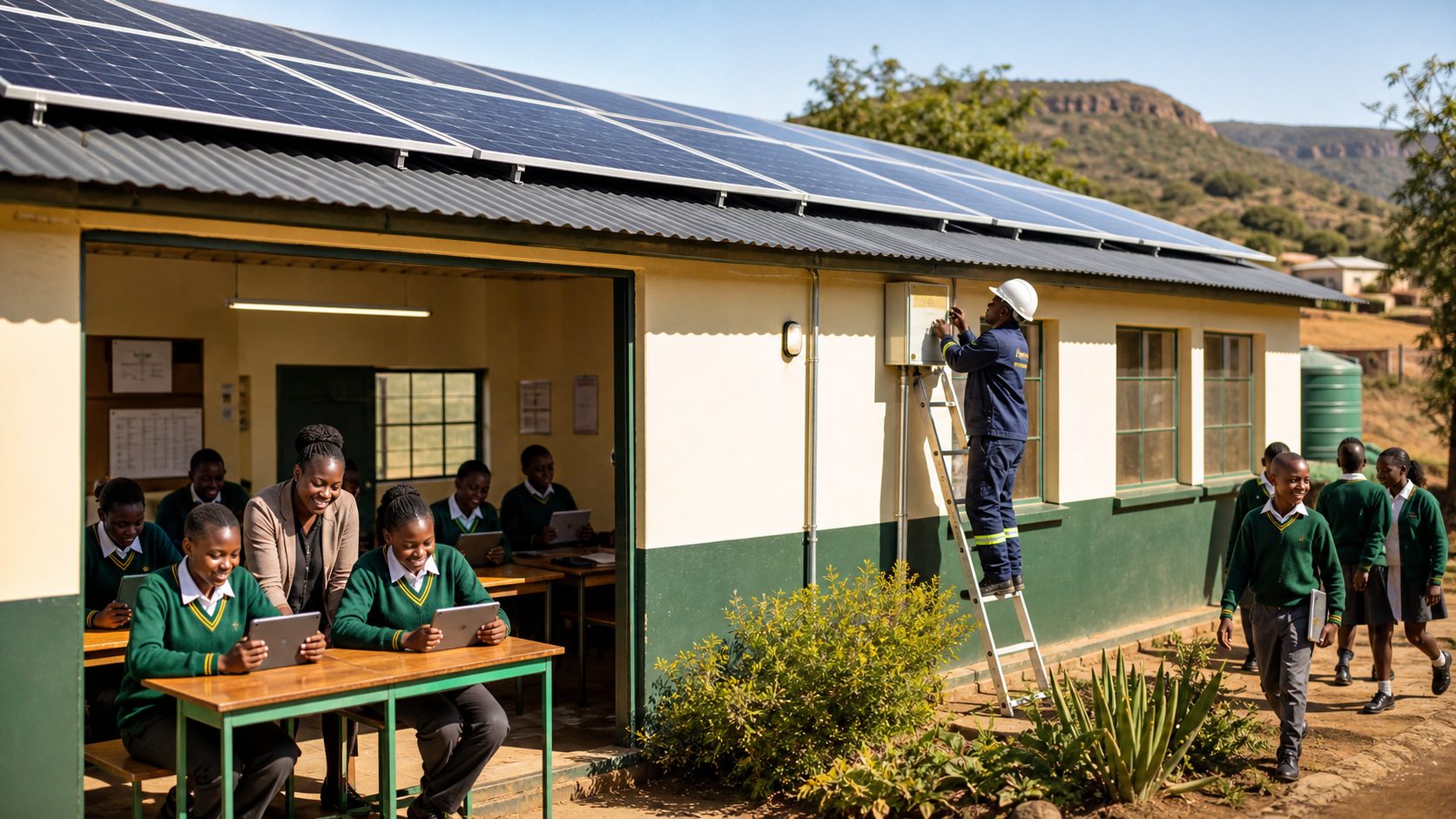
Solar photovoltaic systems gifted to rural and peri-urban schools, with sponsor recognition, output tracking, and annual impact reporting.
Each programme is more than a category. It is a practical implementation pathway with beneficiaries, delivery partners, funder value, and measurable outcomes.
Vision for Learners addresses one of the quietest barriers to education: children who are expected to perform in class while they cannot clearly see the board, their books, or the world in front of them.
The programme deploys mobile eye-care screening units to rural and underserved schools, supported by recently qualified optometry graduates completing structured work-integrated learning under the supervision of registered optometrists and ophthalmologists.
Learners with simple refractive errors can receive prescription spectacles through the programme pathway, while more complex cases are referred into an appropriate clinical channel. The model therefore serves children immediately while also strengthening South Africa's professional eye-care pipeline.
For funders, Vision for Learners is unusually measurable. A partner can see the number of schools reached, learners screened, spectacles issued, referrals made, and graduate clinical placements supported. It sits naturally at the intersection of child health, education, CSI, B-BBEE Skills Development, and Section 18A-enabled giving.
The Highveld Greening and Ecological Restoration Programme is designed for industrial corridors where environmental damage, youth unemployment, ESG pressure, and community expectation all meet.
The programme establishes indigenous plant and tree nurseries staffed by unemployed young people trained in horticulture, plant propagation, environmental land management, and small enterprise discipline.
Plants produced by the nurseries are deployed into degraded community spaces, school grounds, municipal open areas, and corporate-adjacent land. Each planting can be GPS-registered, monitored for survival, and included in a verified annual impact report.
This is not cosmetic tree planting. It is a restoration and youth employment engine with corporate ESG infrastructure built in. Industrial partners get credible South African impact data; communities get greener, more resilient environments; young people get practical skills and income pathways.
This initiative honours Dr Tsaka Matome Wilson Kganakga by turning a life of specialist orthopaedic service into a permanent healthcare legacy for Limpopo Province.
Limpopo carries a heavy burden of fractures, joint conditions, spinal injuries, workplace injuries, and long-term mobility challenges, yet specialist orthopaedic care remains concentrated and difficult to reach for many families.
The Foundation's long-term ambition is to support five specialist orthopaedic centres across the five health districts of Limpopo, anchored by a flagship facility bearing Dr Kganakga's name. The envisaged model includes consultation, surgical intervention, physiotherapy, rehabilitation, prosthetics, orthotics, and long-term patient management.
The initiative is currently in preparatory phase. The immediate need is for feasibility, regulatory, architectural, clinical, funding, and community engagement work before a full capital campaign can responsibly begin.
Karabo means answer. The fund is built around the belief that children are not a problem to be managed; they are the answer a community must properly support.
The first thousand days of life, from conception to a child's second birthday, shape cognitive development, emotional regulation, physical health, and educational trajectory in ways later interventions struggle to repair.
The Karabo Fund supports early childhood development programmes, maternal health education, infant nutrition initiatives, and the strengthening of creches and early learning centres in underserved communities.
The fund is designed for partners who understand that the highest social return often comes before a child reaches Grade R. It gives donors a route into practical, local, early-life investment with a clear human development rationale.
The Schools Solar Fund exists because a school without reliable electricity is operating under a ceiling that better-resourced schools do not have to carry.
The fund gifts solar photovoltaic systems and associated electrical infrastructure to rural and peri-urban schools with unreliable electricity or no meaningful access to power.
Each installation is designed as a visible, permanent intervention: a school receives the asset, teachers gain more reliable operating conditions, and learners gain access to the light, digital tools, and continuity that modern education requires.
For sponsors, the fund offers a concrete infrastructure asset with naming recognition, before-and-after documentation, output tracking, educational impact monitoring, and annual reporting over a minimum three-year period.
The Foundation does not describe problems. It builds answers. The institutional spirit behind Karabo
The Foundation combines Section 18A compliance, B-BBEE-aligned opportunities, and annual reporting that donors can question, trust, and use.
Qualifying donations may receive Section 18A tax-deductible receipts issued in line with SARS requirements.
Programme contributions can support Socio-Economic Development, Skills Development, and verified ESG reporting objectives where qualifying.
Donors receive annual impact reports detailing beneficiaries served, outcomes achieved, and the next-year plan.
Cerano Foundation is seeking corporate, institutional, development finance, and individual partners to help scale proven and emerging programmes from Limpopo into a national and SADC regional footprint.
Start a Partnership Conversation